Mycotoxin reference materials
Accurate mycotoxin analysis starts with the reference material behind it. CIFGA designs and produces Quality Control Standards and Certified Reference Materials for mycotoxin testing, certifying CRMs through a production process with full metrological traceability from source to Certificate of Analysis. A focused catalogue from a European primary producer.
- Available from stock
- Certificate of Analysis
- Intra-EU · no customs delays
Catalogue
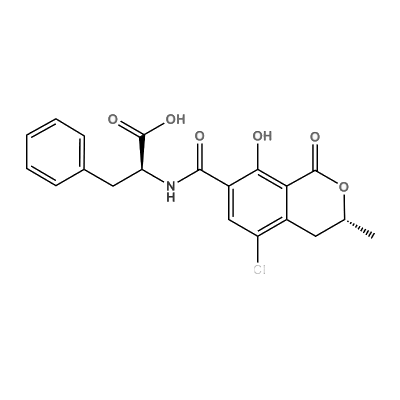
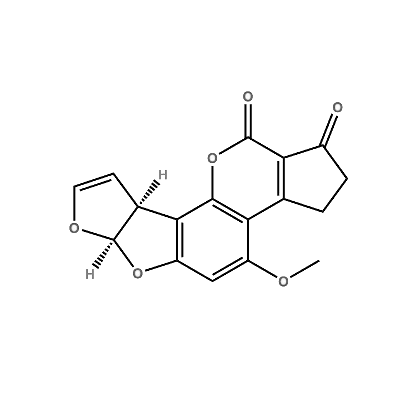
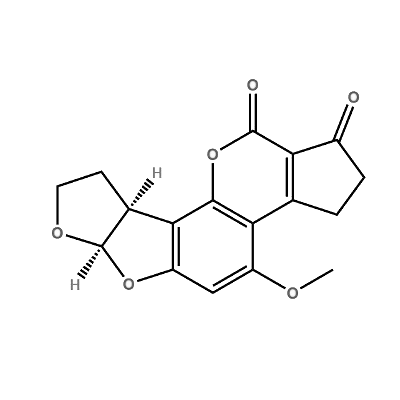
Mycotoxin reference materials catalogue
Quality Control Standards and Certified Reference Materials for the compounds most frequently targeted by food safety regulation and routine laboratory surveillance. Produced in-house and available from stock for fast, agile delivery.
11 products
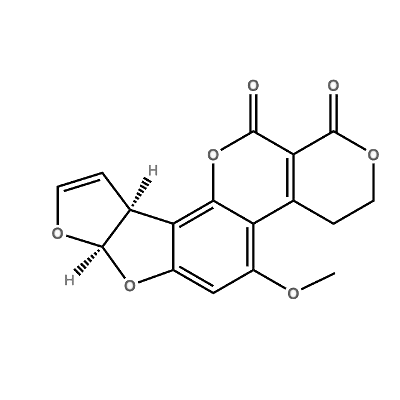
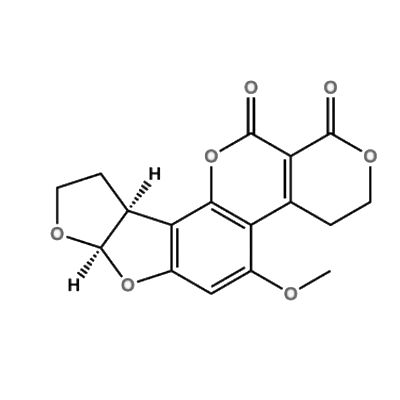
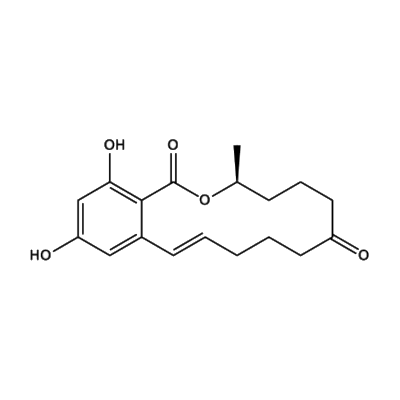
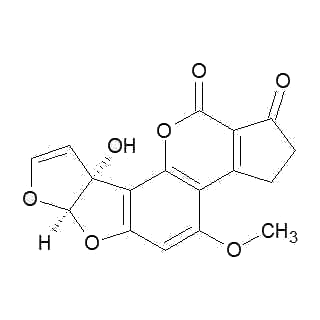
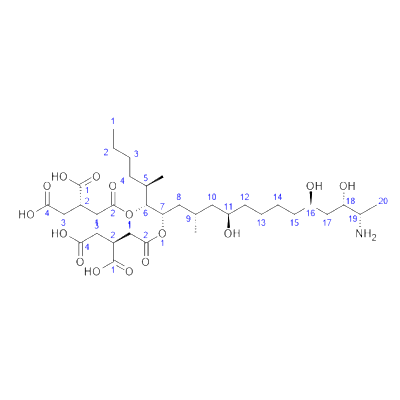
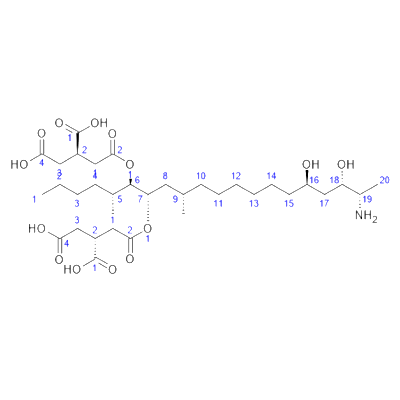
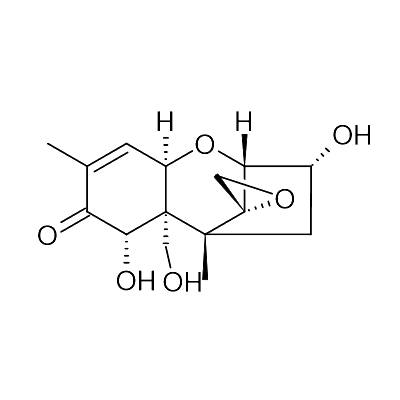
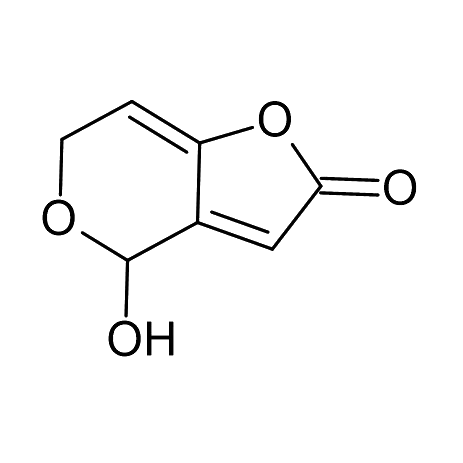
Application areas
Can’t find the exact compound, concentration or matrix?
Custom concentrations, mixed-toxin formulations and contract purification are handled directly by our production team.
The science
What are mycotoxins?
Mycotoxins are toxic secondary metabolites produced by certain mould species, primarily Aspergillus, Fusarium, and Penicillium, that contaminate crops during growth, harvest, or storage. Exposure occurs mainly through the food chain, though dermal contact and inhalation are also relevant routes. Health effects range from acute toxicity to long-term consequences including immunosuppression, hepatotoxicity, and carcinogenesis in both humans and livestock.
Their persistence is what makes them particularly difficult to manage. Unlike many contaminants, mycotoxins can survive food processing: milling, boiling, roasting, and juicing all leave them largely intact. They travel through the food chain and remain active at the point of consumption. Climate shifts are also expanding the geographic range of mycotoxin-producing moulds, increasing contamination events in regions that were previously considered low-risk.
For food safety laboratories, that combination of biological persistence, regulatory pressure, and expanding prevalence creates a sustained demand for validated analytical methods backed by reliable reference materials.

Mycotoxin testing: why reference materials matter
A mycotoxin result is only as reliable as the standard it was measured against. Reference materials serve three distinct roles in laboratory practice: instrument calibration, method validation, and ongoing quality control. Each role carries different requirements in terms of traceability, uncertainty documentation, and format. Selecting the right type of material matters before sourcing one.
Certified Reference Materials (CRMs) for mycotoxin analysis
Certified Reference Materials carry an assigned value with documented measurement uncertainty and full metrological traceability. CIFGA produces and certifies CRMs for key mycotoxins.
For method validation work, or any analysis where results must be defensible under regulatory audit, a CRM from a primary producer is the appropriate choice.

Audit-defensible under EU compliance frameworks
Compliance
Regulatory framework for mycotoxin control
Commission Regulation (EU) 2023/915, updated by (EU) 2024/1022, sets maximum levels for aflatoxins, ochratoxin A, fumonisins, deoxynivalenol, zearalenone, and patulin across a wide range of commodities: cereals, dried fruit, spices, baby food, and processed products, among others.
Laboratories conducting official controls, accreditation audits, or method validation under these frameworks need reference materials with clear traceability to established measurement standards. Materials without documented measurement uncertainty introduce an unquantified source of error into the compliance chain, and that is something regulatory auditors are increasingly scrutinising.
Outside the EU, the picture is similar. Codex Alimentarius guidelines and national food authority frameworks across North America, Asia-Pacific, and Latin America set comparable traceability expectations for laboratories supplying results into regulated food chains.
Why source your mycotoxin standards from CIFGA?
CIFGA is a European primary producer of analytical reference materials, not a distributor. Every Certificate of Analysis reflects internally controlled production, characterisation, and documentation, with no intermediaries in the supply chain. That traceability structure is verifiable, not declared.
15+ years in production
40+ countries
Primary producer
Stock available
With over 20 years producing reference materials and a catalogue supplied to laboratories in more than 40 countries, CIFGA combines production depth with a genuine logistical advantage for European clients. For laboratories with requirements outside the standard catalogue, CIFGA’s tailored services provide direct access to the production and characterisation team. Non-standard concentrations, compound mixtures, and specific matrix formats are all handled in-house.
Contact our team to discuss your mycotoxin reference material requirements Request a quote
Custom mycotoxin standards in defined formats
Not every analytical requirement fits a standard catalogue. CIFGA provides custom concentrations of its mycotoxin reference materials, offered exclusively in predefined formats that ensure consistency and regulatory alignment. All custom work is carried out in-house by the production and characterisation team, with the same traceability documentation as catalogue materials.

Independently audited — not a self-declaration
FAQ
Frequently asked questions
What is a mycotoxin reference material?
A mycotoxin reference material is a well-characterised material used to calibrate instruments, validate analytical methods, and monitor laboratory performance in mycotoxin testing. The most rigorous category is the Certified Reference Material, which carries an assigned value with documented measurement uncertainty and full metrological traceability. Quality Control Standards serve routine monitoring purposes and also carry documented uncertainty values, but are not produced under ISO 17034 accreditation.
What is the difference between a CRM and a QCS?
A CRM carries a certified value determined through a rigorously documented production process. In CIFGA’s case, values are assigned by NMR and uncertainty is supported by homogeneity and stability studies. CRMs are the appropriate choice for method validation and regulatory compliance work. A QCS provides precise concentration values with measurement uncertainty for routine quality control, without the full certification requirements of a CRM workflow. Both types include documented uncertainty; the difference lies in the production process and the level of independent oversight applied.
Which mycotoxins require reference materials for EU compliance?
Commission Regulation (EU) 2023/915, updated by (EU) 2024/1022, sets maximum levels for aflatoxins (B1, B2, G1, G2, M1), ochratoxin A, fumonisins (B1 and B2), deoxynivalenol, zearalenone, and patulin in food. Laboratories conducting compliance testing or method validation under these regulations need reference materials with documented measurement uncertainty. CIFGA produces CRMs and QCSs for all of these compound groups.
How are CIFGA’s mycotoxin reference materials characterised?
Certified values for CRMs are determined by NMR. Homogeneity and stability are assessed using HPLC-MS/MS and NMR, ensuring the material performs consistently across its declared shelf life. As a primary producer, CIFGA controls every stage of production internally: metrological traceability runs from the source material through characterisation to the certified value on the Certificate of Analysis, with no redistribution from third-party manufacturers.
Related materials
Related reference materials and analytical standards
Explore the full range of solutions we produce, from marine biotoxins to contract purification services.
Get started
Need a Mycotoxins or a custom standard?
Add references to your quote as you browse, or contact our team to discuss your analytical requirements.
No obligation · Technical support from the production team